
homelite weed eater instruction manual

Homelite Weed Eater Instruction Manual⁚ A Comprehensive Guide

This manual provides a comprehensive guide to assembling, operating, maintaining, and troubleshooting your Homelite Weed Eater. It covers essential safety precautions, fueling and mixing, starting and operating techniques, as well as regular maintenance and common problem solutions. You’ll also find information about accessories, storage, disposal, and warranty details.

Introduction

Welcome to the world of Homelite Weed Eaters, powerful and reliable tools designed to make your lawn care tasks easier and more efficient. This instruction manual is your comprehensive guide to understanding and using your Homelite Weed Eater safely and effectively. Whether you’re a seasoned gardener or a first-time user, this manual provides clear and concise instructions on assembly, operation, maintenance, and troubleshooting.

Our commitment to quality and dependability ensures that your Homelite Weed Eater will provide years of rugged and trouble-free performance. We encourage you to take the time to read through this manual carefully before operating your Weed Eater. This will ensure you have a thorough understanding of its features, safety procedures, and proper usage. By following the guidelines outlined in this manual, you can maximize the performance and lifespan of your Homelite Weed Eater, making your lawn care experience enjoyable and efficient.

Safety Precautions

Operating a Homelite Weed Eater requires a high level of awareness and adherence to safety precautions. Your personal safety and the safety of those around you are paramount. Before starting your Weed Eater, familiarize yourself with the following safety guidelines⁚

  • Wear appropriate protective gear⁚ Always wear safety glasses, sturdy footwear, long pants, and gloves when operating your Weed Eater.
  • Avoid loose clothing⁚ Ensure your clothing is not loose or dangling, as it could become entangled in the cutting head.
  • Clear the work area⁚ Before starting, carefully inspect the area for any obstacles, debris, or people. Remove any objects that could be thrown by the cutting head.
  • Keep children and pets away⁚ Never allow children or pets near the operating Weed Eater.
  • Maintain a firm grip⁚ Always maintain a firm grip on the handle and keep your body balanced while operating the Weed Eater.
  • Avoid starting the Weed Eater in enclosed areas⁚ Operate your Weed Eater in well-ventilated areas only to prevent the build-up of harmful fumes.
  • Use caution on slopes⁚ Be extremely careful when operating on slopes, as the Weed Eater could lose traction and cause a fall.
  • Never modify the Weed Eater⁚ Modifying your Weed Eater can compromise its safety and performance. Always use it as intended by the manufacturer.
  • Inspect the Weed Eater before each use⁚ Before each use, ensure all safety guards are in place and securely fastened. Check for any signs of damage or wear.

Remember, safety is paramount. Always prioritize your well-being and the safety of others when operating your Homelite Weed Eater.

Assembly and Preparation

Before you can start using your Homelite Weed Eater, you need to assemble it and prepare it for operation. This section will guide you through the process of unboxing, inspecting, and fueling your Weed Eater.

Unboxing and Inspection

Carefully unpack your Weed Eater from its box and lay out all the components. Refer to the parts list in your instruction manual to ensure that everything is present and accounted for. Visually inspect each part for any signs of damage or defects. If you discover any issues, contact your retailer or Homelite customer service immediately.

Fueling and Mixing

Before you can start your Weed Eater, you need to fuel it with a mixture of gasoline and two-stroke oil. The specific ratio of gasoline to oil is usually provided in your instruction manual. Typically, it’s a 50⁚1 ratio, meaning 50 parts gasoline to 1 part oil. Always use fresh, clean gasoline and high-quality two-stroke oil for optimal performance and engine longevity.

To fuel your Weed Eater, carefully pour the pre-mixed fuel into the fuel tank. Do not overfill the tank. Once the tank is filled, securely tighten the fuel cap.

Unboxing and Inspection

Once you’ve received your Homelite Weed Eater, carefully unpack it from its box, being mindful of any sharp edges or components. Lay out all the components neatly so you can easily identify each part. Refer to the parts list in your instruction manual to ensure that all components are present and accounted for. If any parts are missing or damaged, contact your retailer or Homelite customer service immediately.

Before assembling your Weed Eater, take a few moments to thoroughly inspect each part for any signs of damage or defects. Look for things like cracks, dents, scratches, or any signs of wear and tear. Pay particular attention to the engine, fuel tank, cutting head, and any other moving parts. If you discover any issues, do not attempt to assemble or operate the Weed Eater until the problem has been addressed.

Thorough inspection is crucial to ensure safe and reliable operation of your Weed Eater. Addressing any potential issues before assembly can prevent accidents and ensure a smooth and enjoyable experience.

Fueling and Mixing

Your Homelite Weed Eater requires a specific fuel mixture for optimal performance. It is crucial to use the correct fuel and mix ratio to prevent engine damage and ensure safe operation. Always consult your instruction manual for the recommended fuel type and mix ratio for your specific model. A common mix ratio is 50⁚1, meaning 50 parts gasoline to 1 part two-stroke engine oil.

Use fresh, clean, unleaded gasoline with an octane rating of 87 or higher. Avoid using gasoline that has been sitting for extended periods as it may contain water or other contaminants. Choose a high-quality two-stroke engine oil specifically designed for air-cooled engines. Never use automotive oil, as it is not formulated for two-stroke engines and can lead to engine damage.

When mixing fuel and oil, always use a clean, clearly marked container for accurate measurement. Thoroughly shake the container after mixing to ensure the oil and gasoline are properly blended. Do not overfill the fuel tank, leaving a small amount of space for expansion.

Starting and Operation

Starting your Homelite Weed Eater is a straightforward process. First, ensure the safety switch is in the “on” position. Next, prime the carburetor by pressing the primer bulb several times until you see fuel in the clear tube. Then, make sure the choke lever is in the “choke” position for cold starts or the “run” position for warm starts. Now, hold the Weed Eater firmly on the ground, keeping the cutting head away from you. Pull the starter cord briskly and steadily until the engine starts. Once the engine is running, slowly move the choke lever to the “run” position.

When operating the Weed Eater, wear appropriate safety gear such as safety glasses, gloves, and sturdy footwear. Maintain a firm grip on the handle and use the throttle lever to control the engine speed. Keep the cutting head parallel to the ground and avoid cutting near any obstructions. Always be aware of your surroundings and be careful not to trip or stumble. For optimal results, use slow, overlapping passes when trimming, allowing the cutting line to do the work;

Starting the Weed Eater

Starting your Homelite Weed Eater is a simple process. First, ensure the safety switch is in the “on” position. Next, prime the carburetor by pressing the primer bulb several times until you see fuel in the clear tube. Then, make sure the choke lever is in the “choke” position for cold starts or the “run” position for warm starts. Now, hold the Weed Eater firmly on the ground, keeping the cutting head away from you. Pull the starter cord briskly and steadily until the engine starts. Once the engine is running, slowly move the choke lever to the “run” position.

If the Weed Eater doesn’t start after a few pulls, check the fuel level and make sure the spark plug is clean and properly connected. You may also need to adjust the carburetor. Refer to the troubleshooting section in this manual for more detailed instructions.

Operating Techniques

Proper operating techniques are crucial for safe and efficient use of your Homelite Weed Eater. Always wear safety goggles, gloves, and sturdy footwear to protect yourself from debris and potential injuries. Before starting, clear the area of any obstacles, loose objects, or people. Always operate the Weed Eater in a well-ventilated area, as exhaust fumes can be dangerous.

When trimming, hold the Weed Eater with a firm grip and use a sweeping motion, keeping the cutting head parallel to the ground. Avoid overworking the engine by taking breaks when needed. Be mindful of the surrounding area and avoid contact with fences, walls, or other objects. If you encounter any difficulties, stop the engine and refer to the troubleshooting section in this manual.

Maintenance and Troubleshooting

Regular maintenance is essential for ensuring the longevity and optimal performance of your Homelite Weed Eater. After each use, inspect the cutting head, line, and blade for wear and tear. Clean the air filter regularly, as a clogged filter can reduce engine performance. Check the spark plug for wear or damage, and replace it as needed.

Lubricate moving parts, such as the shaft bearings and gear housing, with the recommended oil. Inspect the fuel lines and tank for leaks, and replace them if necessary. Keep the Weed Eater clean and free of debris, as accumulated dirt and grime can hinder its performance.

If you encounter any problems, refer to the troubleshooting section in this manual. Common issues include engine starting problems, poor cutting performance, and excessive vibration.

Regular Maintenance

Proper maintenance is crucial for ensuring the longevity and optimal performance of your Homelite Weed Eater. After each use, dedicate some time to inspecting the cutting head, line, and blade for wear and tear. Replace worn or damaged parts to prevent potential hazards and maintain efficient operation.

Clean the air filter regularly, as a clogged filter can significantly reduce engine performance. Remove the air filter and gently tap it to dislodge any debris. If necessary, wash the filter with soap and water, ensuring it’s completely dry before reinstalling.

Check the spark plug for wear or damage and replace it as needed. A worn-out spark plug can lead to starting problems and reduced engine power. Inspect the fuel lines and tank for leaks and replace them if necessary.

Common Problems and Solutions

While your Homelite Weed Eater is built for durability, occasional issues may arise. If your Weed Eater fails to start, check the fuel level, ensuring there is enough fresh, properly mixed fuel. Inspect the spark plug for proper connection and spark. If the spark plug is fouled, clean or replace it.

If your Weed Eater starts but stalls, check the air filter for clogging. A clogged air filter can restrict airflow, causing the engine to stall. Additionally, ensure the carburetor is properly adjusted.

If your Weed Eater runs poorly or lacks power, check the fuel lines for leaks or clogs. A clogged fuel line can restrict fuel flow to the engine, leading to reduced power. Also, inspect the spark plug for wear or damage. A worn-out spark plug can cause misfiring, leading to reduced power.

Accessories and Attachments

Enhance your Homelite Weed Eater’s versatility and capabilities with a range of accessories and attachments. Expand your trimming options with different line types, each offering distinct cutting characteristics. Choose from round, square, or star-shaped lines, depending on your specific needs and terrain.

Upgrade your cutting performance with specialized blades designed for tackling tougher tasks. These blades are ideal for clearing heavy brush, thick weeds, or even small saplings.

For edging applications, equip your Weed Eater with an edger attachment. This attachment converts your trimmer into a precise edger, allowing you to create clean and sharp edges along walkways, driveways, and flower beds.

Storage and Winterization

Proper storage and winterization are crucial for extending the lifespan of your Homelite Weed Eater. Before storing, clean the trimmer thoroughly, removing any dirt, debris, or grass clippings. Inspect the air filter and replace it if necessary.

If you live in a region with freezing temperatures, it’s essential to winterize your Weed Eater. Drain the fuel tank and carburetor to prevent fuel from degrading and damaging internal components. Start the engine and let it run until it stops to empty the fuel lines.

Store your Weed Eater in a dry and cool place, away from direct sunlight and moisture. To protect the cutting head, consider using a protective cover. Regularly check the storage area for any signs of rodent activity and take appropriate measures to prevent infestations.

Disposal and Recycling

When your Homelite Weed Eater reaches the end of its useful life, it’s important to dispose of it responsibly. Do not simply discard it in the trash, as it contains materials that can be harmful to the environment.

Check with your local waste management authority for guidelines on proper disposal of power equipment. Many communities have designated recycling centers for electronic waste and hazardous materials.

Before disposing of your Weed Eater, remove any fuel or oil from the tank and carburetor. Consider donating it to a local charity or community organization if it’s still in working condition. By properly disposing of your Weed Eater, you contribute to a healthier environment and support sustainable practices.
oven fry pork chops instructions

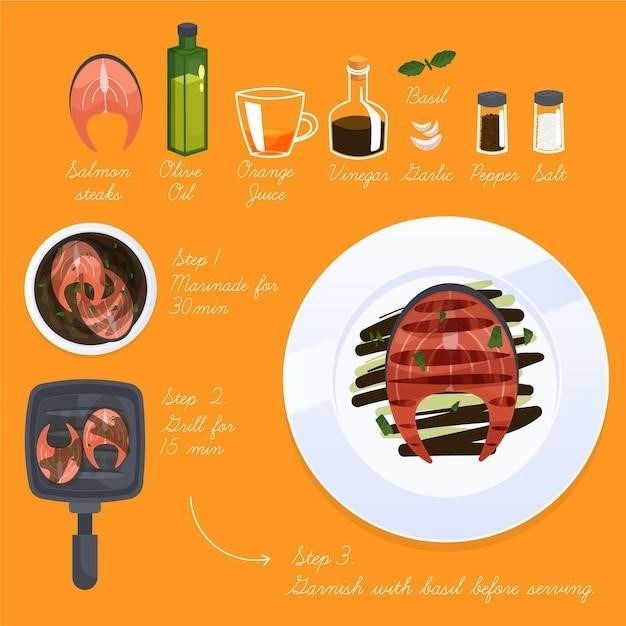
Preheat your oven to 400 degrees Fahrenheit (200 degrees Celsius). Season the pork chops with salt, pepper, and any other desired spices. Place the pork chops in a single layer in a baking dish. Bake for 15-20 minutes, or until the internal temperature reaches 145 degrees Fahrenheit (63 degrees Celsius). Let the pork chops rest for 5 minutes before serving. Enjoy!

Introduction

Tired of the same old boring dinner routine? Craving a crispy, flavorful meal that’s easy to prepare? Look no further than oven-fried pork chops! This simple and satisfying dish delivers on both taste and convenience, making it a perfect choice for weeknight dinners or special occasions. Forget the messy and time-consuming process of deep frying – oven-frying offers a healthier, less-splashy alternative without sacrificing any of the deliciousness. With just a few basic ingredients and a little time in the oven, you can create a meal that will impress your family and friends. Get ready to experience the joy of oven-fried pork chops, where crispy exteriors meet juicy, tender interiors in a symphony of flavor.

Ingredients

For a truly delectable oven-fried pork chop experience, gather these essential ingredients⁚

  • Pork Chops⁚ The stars of the show! Choose boneless, center-cut pork chops for optimal tenderness and flavor. Aim for chops that are about 1/2-inch thick for even cooking.
  • Seasoning Salt⁚ Adds a depth of flavor and enhances the natural taste of the pork.
  • Black Pepper⁚ A classic spice that complements the pork’s savory notes and adds a touch of heat.
  • Hungarian Paprika⁚ A versatile spice that brings a vibrant, smoky flavor to the dish, creating a truly unique profile.
  • Olive Oil⁚ Provides a light, flavorful coating that helps the pork chops achieve a crispy exterior.

Feel free to get creative and add additional spices or herbs to suit your taste preferences. Some popular options include garlic powder, onion powder, thyme, rosemary, or a blend of your favorite Italian herbs.

Equipment

To create perfect oven-fried pork chops, you’ll need a few essential pieces of equipment⁚

  • Baking Dish⁚ Choose a baking dish that’s large enough to accommodate your pork chops in a single layer. This ensures even cooking and prevents overcrowding.
  • Meat Thermometer⁚ A must-have for achieving perfectly cooked pork chops. It helps ensure the internal temperature reaches the safe level of 145 degrees Fahrenheit (63 degrees Celsius).
  • Basting Brush⁚ A handy tool for evenly distributing oil or marinade on the pork chops before baking;
  • Tongs⁚ Essential for safely transferring the pork chops to and from the oven.
  • Cutting Board⁚ A clean and sturdy cutting board for prepping the pork chops and slicing them after cooking.

If you want to take your oven-fried pork chops to the next level, consider investing in a digital meat thermometer. It provides accurate and precise temperature readings for optimal cooking results.

Instructions

Get ready to enjoy a flavorful and easy meal with these simple instructions⁚

  1. Preheat⁚ Begin by preheating your oven to 400 degrees Fahrenheit (200 degrees Celsius). This ensures the pork chops cook evenly and develop a crispy exterior.
  2. Season⁚ Season the pork chops generously with salt, pepper, and any other desired spices. Don’t be shy with the seasoning, as it will infuse the chops with flavor.
  3. Arrange⁚ Place the pork chops in a single layer in a baking dish. This allows for even heat distribution and prevents overcrowding, ensuring each chop cooks thoroughly.
  4. Bake⁚ Bake the pork chops for 15-20 minutes, or until the internal temperature reaches 145 degrees Fahrenheit (63 degrees Celsius). Use a meat thermometer to check for doneness.
  5. Rest⁚ Once cooked, remove the pork chops from the oven and let them rest for 5 minutes before serving. This allows the juices to redistribute, resulting in a more tender and flavorful chop.

Serve your oven-fried pork chops with your favorite sides and enjoy a delicious and satisfying meal.

Tips for Success

Elevate your oven-fried pork chops to a new level of deliciousness with these helpful tips⁚

  • Don’t Overcrowd⁚ Avoid overcrowding the baking dish. Ensure the pork chops have enough space to cook evenly and develop a crispy crust.
  • Pat Dry⁚ Before seasoning, pat the pork chops dry with paper towels. This helps the seasoning adhere better and promotes browning.
  • High Heat⁚ Bake the pork chops at a high temperature for a short amount of time. This helps to lock in moisture and achieve a crispy exterior.
  • Meat Thermometer⁚ Use a meat thermometer to check the internal temperature of the pork chops. This ensures they are cooked to a safe and delicious doneness.
  • Resting Time⁚ Allow the pork chops to rest for a few minutes after cooking. This allows the juices to redistribute, resulting in a more tender and flavorful chop.

By following these tips, you can achieve juicy, flavorful, and perfectly cooked oven-fried pork chops that will impress your taste buds.

Serving Suggestions

Oven-fried pork chops are a versatile dish that can be enjoyed in a variety of ways. Here are some serving suggestions to enhance your culinary experience⁚

  • Classic Sides⁚ Pair your pork chops with classic sides like mashed potatoes, creamy coleslaw, or a fresh green salad. These combinations provide a satisfying and balanced meal.
  • Southern Comfort⁚ For a Southern flair, serve the pork chops with collard greens, mac and cheese, and cornbread. This hearty and flavorful combination is a true Southern delight.
  • Global Inspiration⁚ Explore global flavors by serving your pork chops with rice pilaf, roasted vegetables, or a vibrant salsa. This adds an international touch to your dinner table.
  • Sweet and Savory⁚ Balance the savory flavors of the pork chops with a sweet and tangy chutney or a side of fruit salad. This adds a refreshing and delightful element to your meal.
  • Gravy or Sauce⁚ Elevate the flavors of your pork chops with a rich gravy or a flavorful sauce. A pan sauce made from the drippings in the baking dish can add depth and complexity to your dish.

Let your culinary creativity shine by experimenting with different serving suggestions to find your perfect combination. Enjoy!

Variations

While the basic oven-fried pork chop recipe is delicious, there are endless possibilities to personalize and add your own flair to the dish. Here are some variations you can explore⁚

  • Breading Options⁚ Experiment with different breading options beyond traditional breadcrumbs. Try using panko breadcrumbs for a crispier texture, crushed crackers for a savory flavor, or even crushed pretzels for a salty kick.
  • Spice It Up⁚ Add a burst of flavor with your choice of spices. Experiment with garlic powder, onion powder, paprika, chili powder, or even a blend of herbs like rosemary, thyme, and sage.
  • Sweet and Savory⁚ Incorporate a touch of sweetness by adding a tablespoon of brown sugar or honey to the breading mixture. This creates a delightful balance of flavors.
  • Glaze It Up⁚ Finish your pork chops with a flavorful glaze for an extra layer of deliciousness. A simple glaze made with honey, soy sauce, and a touch of ginger can elevate the dish.
  • Citrus Zest⁚ Add a bright and tangy element by adding a teaspoon of lemon or orange zest to the breading mixture. This creates a refreshing and citrusy flavor profile.

Feel free to get creative and experiment with different variations to discover your own signature oven-fried pork chop recipe.

Health Benefits

While oven-fried pork chops offer a delicious and satisfying meal, it’s essential to consider their nutritional profile and potential health benefits. Here are some key points to remember⁚

  • Protein Powerhouse⁚ Pork chops are a great source of lean protein, which is essential for building and repairing tissues, maintaining muscle mass, and promoting satiety.
  • Essential Nutrients⁚ Pork chops also provide essential nutrients like iron, zinc, and B vitamins. Iron is crucial for red blood cell production and oxygen transport, while zinc supports immune function and wound healing. B vitamins play a role in energy metabolism and nerve function.
  • Healthy Fats⁚ Pork chops contain healthy fats, including monounsaturated and polyunsaturated fats, which can benefit heart health when consumed in moderation.
  • Oven-Fried Advantage⁚ Choosing to oven-fry your pork chops instead of deep-frying significantly reduces the amount of unhealthy fats and calories associated with traditional frying methods.

Remember to enjoy pork chops in moderation as part of a balanced diet and to choose lean cuts to minimize fat content.

Safety Precautions

While oven-fried pork chops offer a delicious and easy meal, it’s crucial to prioritize food safety to avoid any potential health risks. Here are some key precautions to keep in mind⁚

  • Proper Handling⁚ Always wash your hands thoroughly with soap and water before and after handling raw pork chops. Keep raw pork separate from other foods to prevent cross-contamination.
  • Thorough Cooking⁚ Ensure your pork chops are cooked to an internal temperature of 145 degrees Fahrenheit (63 degrees Celsius) to eliminate harmful bacteria. Use a meat thermometer to check the internal temperature accurately.
  • Safe Thawing⁚ Thaw frozen pork chops safely in the refrigerator, never at room temperature. This prevents the growth of bacteria that can cause foodborne illness.
  • Clean Equipment⁚ Wash all utensils, cutting boards, and dishes that have come into contact with raw pork with hot soapy water or in the dishwasher.
  • Refrigeration⁚ Store leftover pork chops in the refrigerator within two hours of cooking. Use within three to four days for optimal freshness and safety.

By following these safety precautions, you can enjoy oven-fried pork chops with confidence, knowing you’re taking steps to prevent foodborne illnesses.

Troubleshooting

Even with the simplest recipes, things can sometimes go awry. Here are some common issues you might encounter while oven-frying pork chops and how to address them⁚

  • Dry Pork Chops⁚ Overcooking is a common culprit for dry pork chops. To prevent this, use a meat thermometer to ensure they reach an internal temperature of 145 degrees Fahrenheit (63 degrees Celsius) without going beyond. Also, consider adding a tablespoon of broth or water to the baking dish during the last 5 minutes of cooking to help retain moisture.
  • Uneven Cooking⁚ If your pork chops are unevenly cooked, it’s likely due to overcrowding in the baking dish. Ensure the chops have enough space between them to cook evenly. You can also flip them halfway through the cooking time to ensure both sides are cooked properly.
  • Lack of Crispness⁚ For crispy pork chops, try using a higher oven temperature (425 degrees Fahrenheit) or broiling for a few minutes at the end of cooking to achieve a satisfyingly crunchy exterior.
  • Overly Salty Pork Chops⁚ If your pork chops are too salty, it’s best to start with less salt and adjust to your taste. Remember, you can always add more salt, but you can’t take it away!

Don’t be discouraged if your first attempt doesn’t turn out perfectly. With a little practice and these troubleshooting tips, you’ll be well on your way to mastering the art of oven-fried pork chops.

Frequently Asked Questions

Here are some common questions you might have about oven-fried pork chops⁚

  • What is the best way to cook pork chops without them drying out? The key is to cook them at a high temperature for a short amount of time. This allows the exterior to develop a crispy crust while keeping the interior juicy. Rubbing a little oil on the chops before baking also helps lock in moisture.
  • Is it better to bake pork chops covered or uncovered? For the best results, it’s generally best to bake pork chops uncovered. This allows the exterior to develop a tasty crust, all while maintaining a juicy interior.
  • How to fry pork chops so they are tender? The best way to ensure tender pork chops is to not overcook them. Use a meat thermometer to ensure they reach an internal temperature of 145 degrees Fahrenheit (63 degrees Celsius). Overcooking will lead to dry and tough meat.
  • How long does it take to bake pork chops in the oven? Baking time will depend on the thickness of the chops and the oven temperature. Generally, it takes about 15-20 minutes at 400 degrees Fahrenheit (200 degrees Celsius).

If you have any other questions, feel free to search online for more information or ask a trusted culinary expert. Happy cooking!

Oven-Fried Pork Chops⁚ A Delicious and Easy Recipe

Conclusion

Oven-fried pork chops are a simple and satisfying meal that’s perfect for any weeknight dinner. With just a few ingredients and minimal effort, you can have a flavorful and crispy dish on the table in under 30 minutes. The key to success lies in using high-quality pork chops, seasoning them generously, and baking them at a high temperature for a short amount of time. This ensures the chops are cooked through while maintaining their juicy texture.

Remember to let the chops rest for a few minutes before serving to allow the juices to redistribute. This step is essential for achieving that tender and flavorful bite. Serve your oven-fried pork chops with your favorite sides, such as mashed potatoes, roasted vegetables, or a simple salad.

Enjoy the deliciousness of oven-fried pork chops, a classic comfort food that’s sure to please everyone at the table.

whirley pop popcorn maker instructions

The Whirley Pop is a classic stovetop popcorn maker that allows you to create delicious, fresh popcorn in minutes. It’s easy to use, durable, and produces fluffy, flavorful popcorn every time. To get started, simply follow these instructions.

Getting Started

The Whirley Pop is a simple and efficient stovetop popcorn maker that delivers fresh, homemade popcorn in just a few minutes. Before you begin popping, ensure you have all the necessary components⁚ the Whirley Pop itself, a stovetop burner, popcorn kernels, oil, and your favorite seasonings. The Whirley Pop comes with a sturdy pot, a lid, and a wooden handle with a crank that helps distribute the kernels evenly. This simple design makes it easy to create a delicious snack for yourself or the whole family.

The Whirley Pop is a versatile appliance, compatible with gas, electric, and induction cooktops. It’s perfect for creating a movie night atmosphere at home or simply enjoying a tasty snack. Remember to read the manufacturer’s instructions carefully before your first use to ensure you understand the proper operation and safety precautions. With the Whirley Pop, you can easily create a fun and delicious experience right in your own kitchen.

Preparing the Whirley Pop

Before your first use, it’s essential to properly season your Whirley Pop to prevent sticking and ensure a smooth popping experience. This simple process involves coating the inside of the pot with a thin layer of oil. Start by adding a tablespoon of vegetable oil to the Whirley Pop and tilting the pan to coat the bottom and sides. Heat the oil for about 20 seconds, or until it’s hot. Remove the pan from heat and allow it to cool slightly. Then, wipe out any excess oil with a paper towel. This seasoning process creates a protective layer that helps prevent your popcorn from sticking to the pot during popping.

Once your Whirley Pop is seasoned, you’re ready to start popping. Before you add the kernels, ensure your stovetop burner is set to medium heat. This allows the oil to heat up gradually and prevents the kernels from burning. The Whirley Pop is designed to create a consistent popping experience. It’s a simple process that doesn’t require any special techniques or complicated steps. With a little preparation and care, you can enjoy fresh, homemade popcorn in no time.

Popping the Popcorn

With your Whirley Pop prepped and your stovetop burner set to medium heat, it’s time to start popping. The key to perfect popcorn is to add the kernels gradually, allowing them to heat up slowly before adding more. Start with a small amount of kernels, around 1/4 cup for a smaller batch or 1/2 cup for a full batch. As the kernels begin to pop, add the remaining amount, ensuring they are evenly distributed throughout the pot. Remember to use high-quality popcorn for optimal results.

The Whirley Pop’s unique design incorporates a crank that allows you to continuously stir the kernels as they heat up. This constant agitation prevents burning and ensures even popping. As the popping slows down, signifying that most of the kernels have popped, remove the Whirley Pop from heat. Carefully pour the freshly popped popcorn into a large bowl to prevent burning. The Whirley Pop’s simplicity and effectiveness make it a favorite for popcorn enthusiasts, offering a hands-on experience that allows you to control every step of the process.

Seasoning Your Popcorn

The beauty of homemade popcorn is the freedom to customize your flavors. While classic butter and salt remain popular, the Whirley Pop allows you to explore a world of possibilities. After popping, melt butter in a separate pan and drizzle it over the popcorn. Add salt to taste, and then let your creativity soar.

Get adventurous with savory spices like garlic powder, paprika, chili powder, or even a sprinkle of curry powder for a unique twist. For a sweet touch, consider adding cinnamon sugar, powdered sugar, or even a drizzle of melted chocolate. The Whirley Pop’s design also makes it easy to incorporate other ingredients, like melted coconut oil for a healthier alternative to butter or even a splash of soy sauce for a savory kick.

Don’t be afraid to experiment and find your perfect popcorn blend. Whether you prefer classic flavors or crave something more unique, the Whirley Pop allows you to create a snack that reflects your individual taste preferences.

Cleaning the Whirley Pop

Cleaning your Whirley Pop is a breeze, ensuring it stays in top condition for years of popcorn-popping fun. After each use, allow the popper to cool completely before cleaning. This prevents potential burns and makes the cleaning process more efficient.

You can simply wash the Whirley Pop by hand with warm, soapy water. Avoid using harsh detergents or abrasive scrubbers as these could damage the aluminum surface. Rinse thoroughly and dry the popper completely, especially the handle and crank mechanism, to prevent rusting.

For stubborn residue, soak the pot in warm, soapy water for a few minutes before scrubbing gently. If you notice any oil buildup in the crank mechanism, remove the handle and clean it separately. Store the Whirley Pop in a dry place to maintain its shine and longevity. With proper care, your Whirley Pop will remain a reliable companion for years to come, ensuring your popcorn cravings are always satisfied.

Troubleshooting Tips

While the Whirley Pop is known for its simplicity and reliability, occasional hiccups can occur. Don’t fret! These troubleshooting tips will help you overcome any challenges and get back to enjoying your freshly popped popcorn.

If your popcorn isn’t popping well, check the oil temperature. It should be hot enough to pop the kernels but not too hot that it burns them. Adjust the heat accordingly and ensure even distribution of the oil. Also, make sure you’re using high-quality popcorn kernels, as stale or old kernels may not pop properly.

If the crank is difficult to turn, it could be due to oil buildup. Remove the handle and clean the mechanism thoroughly. If the problem persists, there might be a clog in the mechanism. Check for any debris and clear it out carefully. Remember to always let the popper cool completely before attempting any cleaning or troubleshooting.

If your popcorn is burning, the heat may be too high. Reduce the heat setting and stir the kernels more frequently to prevent burning. Ensure the oil isn’t overheating and that you’re using the appropriate amount of kernels for your popper size.

Whirley Pop Variations

While the classic Whirley Pop remains a timeless favorite, several variations have emerged over the years, each offering unique features and enhancements. These variations cater to different preferences and needs, ensuring a satisfying popcorn experience for every enthusiast.

The Whirley Pop Red Stainless-Steel Stovetop Popcorn Maker is a popular variation, featuring a vibrant red finish that adds a splash of color to your kitchen. It retains the classic design and functionality of the original, making it a stylish and efficient option for popping delicious popcorn.

For those seeking a more compact and portable option, the Whirley Pop Mini Stovetop Popcorn Maker is a great choice. This smaller version is ideal for smaller households or for taking on camping trips. It delivers the same quality popcorn as its larger counterpart, but in a more manageable size.

Additionally, Whirley Pop offers a range of accessories to enhance your popcorn experience. These include popcorn seasoning blends, flavored oils, and even a popcorn scooper. These accessories allow you to personalize your popcorn and explore different flavor combinations.

Whirley Pop FAQs

The Whirley Pop has become a staple in many kitchens, and with its popularity comes a flurry of questions. Here are some frequently asked questions and their answers to help you make the most of your Whirley Pop experience⁚

Q⁚ How much popcorn and oil should I use?

A⁚ For a full batch (6-quart, 24 cups), use 1/2 cup of popping corn and 1-3 tablespoons of oil. For a partial batch (1-quart, 4 cups), use 1 tablespoon of popping corn and 1 teaspoon of oil.

Q⁚ How do I know when the popcorn is done?

A⁚ The popping will slow down significantly, and the crank will become difficult to turn. Once the popping has slowed, remove the Whirley Pop from the heat.

Q⁚ Can I use any type of oil?

A⁚ Yes, you can use a variety of oils, including coconut oil, canola oil, and vegetable oil. Experiment with different oils to find your favorite flavor profile.

Q⁚ How do I clean the Whirley Pop?

A⁚ Wash the Whirley Pop with warm, soapy water after each use. Avoid using abrasive cleaners or scrubbing too hard, as this can damage the non-stick coating.

Enjoying Your Popcorn

With your freshly popped Whirley Pop popcorn, the possibilities for enjoyment are endless. Here are some tips for making the most of your delicious creation⁚

Butter and Salt⁚ The classic combination of butter and salt is a must-try for a traditional popcorn flavor. Melt some butter and drizzle it over your popcorn, then sprinkle with salt to taste.

Seasonings and Spices⁚ Get creative with your seasonings! Add a sprinkle of garlic powder, onion powder, paprika, or chili powder for a savory kick. You can also try cinnamon and sugar for a sweet treat.

Toppings⁚ Elevate your popcorn with toppings like melted cheese, shredded parmesan, chopped nuts, dried cranberries, or chocolate chips.

Movie Night⁚ Grab a big bowl of popcorn, gather your loved ones, and settle in for a movie night. The Whirley Pop popcorn is the perfect companion for your favorite films.

Snack Time⁚ Enjoy your popcorn as a healthy and satisfying snack. Its a great option for a quick bite between meals or as a light and crispy treat.