Archives 2026

ruth chris steakhouse menu pdf

Ruth’s Chris Steak House Menu PDF: A Comprehensive Overview (Updated 01/23/2026)

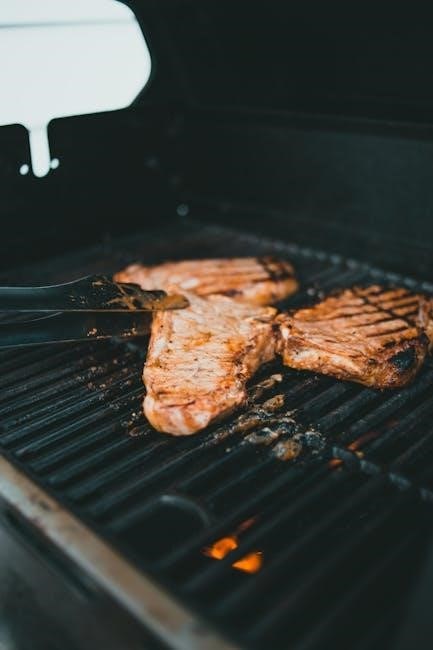
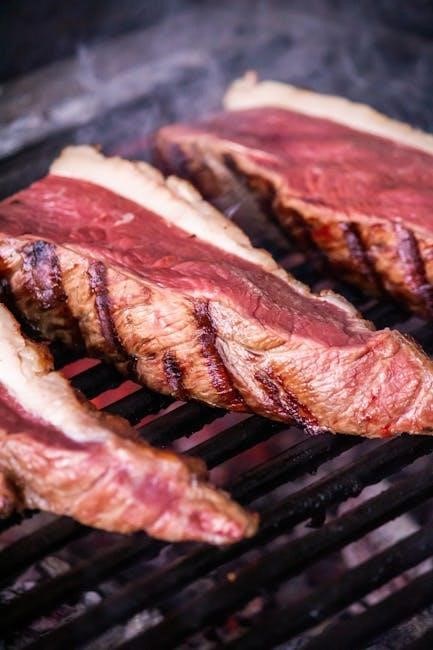
Ruth’s Chris Steak House offers a detailed menu, frequently available as a PDF, showcasing USDA Prime beef broiled at 1800°F.
Numerous sources, including the official website and third-party platforms, provide access to these PDF versions.
Variations exist by location, like the Aruba Marriott resort, and nutritional information (around 2,000 calories daily) is readily available upon request.

Ruth’s Chris Steak House represents a pinnacle of fine dining, renowned for its consistently exceptional steaks and sophisticated ambiance. Established in 1965 in New Orleans, the restaurant has grown into a global icon, maintaining its commitment to quality and service. A key aspect of experiencing Ruth’s Chris is accessing their comprehensive menu, often conveniently distributed as a PDF document.

This PDF menu isn’t merely a list of dishes; it’s a gateway to understanding the restaurant’s core philosophy – a dedication to USDA Prime, custom-aged Midwestern beef, and the signature 1800°F broiling process. The menu details not only steak options but also seafood specialties, appetizers, salads, sides, and decadent desserts. It also highlights important information regarding gluten-free options and dietary considerations, ensuring a welcoming experience for all guests.

Understanding the menu’s structure, as presented in the PDF, allows diners to navigate the offerings effectively, whether planning a visit or simply exploring the culinary possibilities. The availability of the PDF format facilitates easy access and pre-meal planning.

History and Founding (Established 1965 in New Orleans)

Ruth’s Chris Steak House began its journey in 1965, founded by Ruth Fertel in New Orleans, Louisiana. Initially a small, 60-seat restaurant, it quickly gained recognition for its exceptional steaks and Ruth’s warm hospitality. The restaurant’s early success was built on a commitment to quality, specifically utilizing USDA Prime beef and a unique high-temperature broiling technique.

This dedication to excellence is reflected even today in the detailed PDF menus available, showcasing the same principles that defined the original restaurant. The evolution from a local eatery to a global brand hasn’t diminished the focus on providing a premium dining experience. Accessing the current menu PDF reveals a continuation of Ruth’s original vision;

The story of Ruth’s Chris is intrinsically linked to its menu, and the PDF serves as a modern testament to its enduring legacy. It’s a historical document, in a way, outlining the evolution of a culinary institution rooted in New Orleans tradition.

Core Menu Philosophy: USDA Prime Beef & 1800°F Broiling

Ruth’s Chris Steak House centers its culinary philosophy on two key elements: utilizing the finest USDA Prime, custom-aged Midwestern beef, and broiling it at an exceptionally high 1800°F. This intense heat seals in the natural juices and flavors, creating a uniquely tender and flavorful steak. The PDF menu consistently emphasizes this commitment to quality ingredients and precise cooking methods;

The PDF versions of the menu clearly demonstrate that the beef is never frozen, preserving its superior texture and taste. This dedication is a cornerstone of the Ruth’s Chris experience, and is prominently featured in menu descriptions. The 1800°F broiling process isn’t merely a technique; it’s a defining characteristic, highlighted throughout the PDF documentation.

Reviewing the menu PDF reveals that this core philosophy extends beyond steaks, influencing the preparation of other dishes, ensuring a consistently high standard across the entire offering.
Menu Categories & Key Offerings

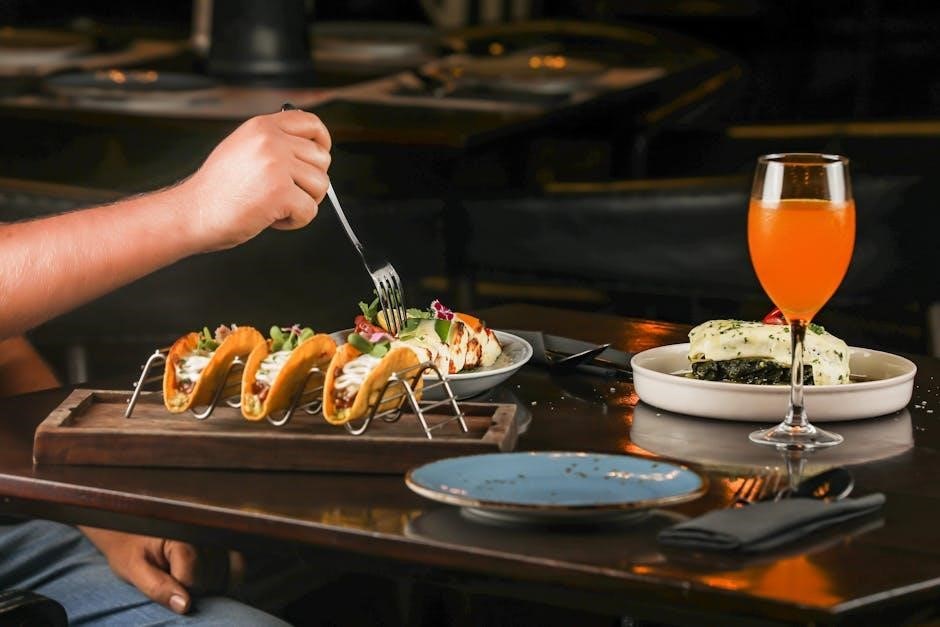
Ruth’s Chris’s PDF menu organizes offerings into steaks, seafood, appetizers, salads, sides, and desserts.
Key items include Filet Mignon, Ribeye, and King Salmon, detailed within the PDF.

Steaks: The Signature Selection

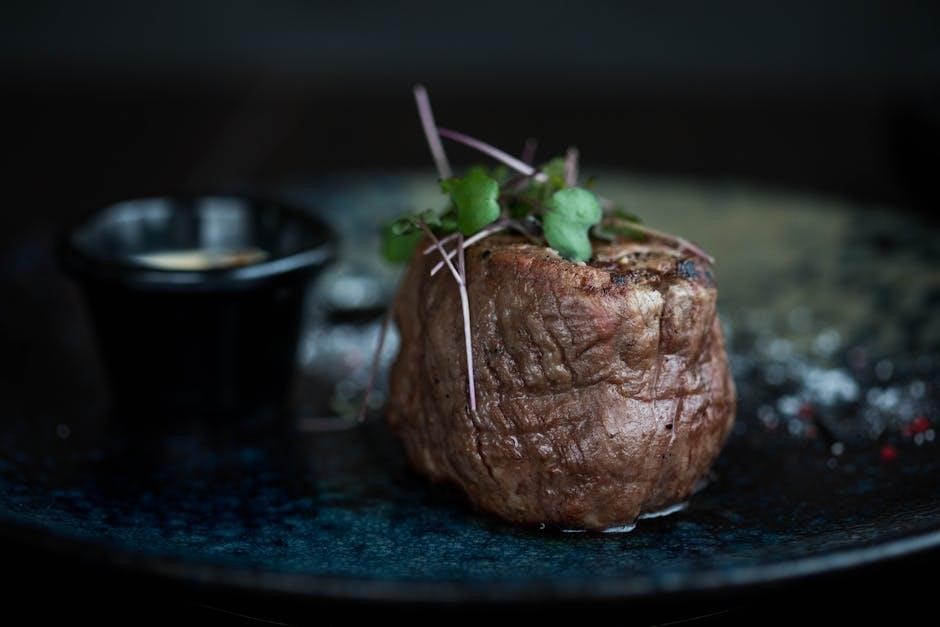
Ruth’s Chris Steak House prominently features steaks as its signature offering, extensively detailed within their PDF menu. The restaurant specializes in USDA Prime, custom-aged Midwestern beef, never frozen, and broiled at a scorching 1800°F to lock in exceptional flavor. The PDF showcases a variety of cuts, including Filet Mignon, Ribeye, New York Strip, and the substantial Porterhouse & T-Bone.

Each steak is prepared to the customer’s exact preference, ensuring a personalized dining experience. The menu PDF typically lists pricing for different sizes and preparations. Sautéed options are available in garlic butter or BBQ spices, often served over roasted garlic mash. The PDF provides a comprehensive overview of these premium steak selections, highlighting the quality and preparation methods that define the Ruth’s Chris experience.

Filet Mignon Options & Pricing

The Ruth’s Chris Steak House PDF menu details several Filet Mignon options, catering to diverse preferences and appetites. Typically, the PDF presents Filet Mignon in varying weights, such as 6oz, 8oz, 12oz, and even larger cuts. Pricing, as reflected in the PDF, fluctuates based on the chosen size, generally ranging from approximately $42 to $65 or more, depending on location and current market costs.

The PDF often indicates that all Filet Mignons are USDA Prime and broiled at 1800°F. While specific preparation details aren’t always extensively listed within the PDF itself, it’s understood that customization is available. The menu PDF serves as a primary resource for understanding the available Filet Mignon sizes and associated costs, allowing diners to plan their meal accordingly.

Ribeye Steaks: Cuts and Preparations

The Ruth’s Chris Steak House menu PDF showcases a selection of Ribeye steaks, renowned for their rich marbling and robust flavor. Typically, the PDF features options like the Bone-In Ribeye and the Ribeye Cap, with weights ranging from 14oz to 18oz or more. Pricing, detailed in the PDF, generally falls between $55 and $75+, varying by location and cut.

The PDF confirms that all Ribeyes are USDA Prime, custom-aged, and broiled at 1800°F, ensuring a tender and flavorful experience. While the PDF doesn’t always detail specific preparations beyond the standard broiling, diners can often request customizations. The menu PDF is a key resource for understanding the Ribeye options, sizes, and corresponding prices, aiding in informed dining choices.
New York Strip: Details and Variations

The Ruth’s Chris Steak House menu PDF consistently features the New York Strip as a prime offering, celebrated for its firm texture and balanced flavor profile. The PDF typically lists options ranging from 14oz to 16oz, with pricing generally between $52 and $68+, subject to location-specific adjustments.

As detailed in the PDF, all New York Strips are USDA Prime, custom-aged, and broiled at the signature 1800°F. While the standard preparation is the classic broil, the PDF doesn’t explicitly outline extensive variations. However, diners can often request specific cooking temperatures. The menu PDF serves as a valuable guide to understanding the New York Strip’s size, price, and quality, facilitating a well-informed dining decision.

Porterhouse & T-Bone Steaks: A Comparison

The Ruth’s Chris Steak House menu PDF showcases both Porterhouse and T-Bone steaks, representing substantial cuts for discerning diners. While both feature a T-shaped bone, the PDF implicitly highlights key differences. The Porterhouse, generally larger, contains a significantly more substantial filet mignon portion alongside the New York Strip. Conversely, the T-Bone boasts a smaller filet section.

Pricing, as detailed within the PDF, reflects this distinction, with Porterhouses typically commanding a higher price point – often exceeding $70 – compared to the T-Bone. Both are USDA Prime, custom-aged, and broiled at 1800°F, ensuring consistent quality. The PDF doesn’t offer detailed comparative charts, but the descriptions allow customers to select based on preferred filet mignon size and budget.

Seafood Specialties

The Ruth’s Chris Steak House menu PDF extends beyond its famed steaks, featuring a selection of seafood specialties designed to complement the core offerings. A prominent item is the King Salmon Fillet, described as marinated and locally sourced, served over tender pasta – market price (MKT) applies, as indicated in the PDF.

While the PDF doesn’t detail an extensive seafood range, options like shrimp and lobster are generally available, though specific preparations may vary by location. The document emphasizes the restaurant’s commitment to quality, extending to its seafood sourcing. Allergy information, crucial for seafood selections, is noted within the PDF, advising customers to consult with a manager or chef regarding dietary concerns. The seafood options provide a sophisticated alternative to the steakhouse’s signature beef.

King Salmon Fillet: Sourcing and Preparation

According to the Ruth’s Chris Steak House menu PDF, the King Salmon Fillet is a key seafood offering, distinguished by its commitment to quality ingredients. The PDF explicitly states the salmon is “marinated” and “locally sourced,” suggesting a focus on freshness and regional partnerships. It’s served “over tender pasta,” providing a complete and balanced dish.

The PDF doesn’t detail the specific marinade components or pasta type, but emphasizes the overall presentation. Market price (MKT) is indicated, reflecting potential fluctuations in salmon availability and cost. Customers with dietary restrictions or allergies are directed to consult with a manager or chef, as noted in the PDF’s allergy information section; This highlights Ruth’s Chris’ dedication to accommodating individual needs while delivering a premium dining experience.

Other Seafood Options (Shrimp, Lobster, etc.)

While the Ruth’s Chris Steak House menu PDF prominently features the King Salmon Fillet, details regarding other seafood selections – such as shrimp and lobster – are less explicitly outlined in the provided excerpts. The PDF generally categorizes offerings under “Seafood & Specialties,” implying a broader range beyond salmon. However, specific preparations, pricing, and sourcing information for these additional options aren’t detailed in the available menu snippets.

The PDF’s focus remains heavily on the steak selections, with seafood presented as a complementary choice. Customers interested in shrimp, lobster, or other seafood dishes would likely find comprehensive details on the full, location-specific menu PDF available on the official website or through third-party sources. Allergy information within the PDF encourages direct consultation with staff for specific ingredient inquiries related to any seafood item.

Appetizers & Soups

The Ruth’s Chris Steak House menu PDF indicates the presence of an “Appetizers and Soups” section, though specific items aren’t detailed within the provided excerpts. The phrase “NO MATTER WHAT YOU CHOOSE AT RUTH’S CHRIS STEAK HOUSE, EVERY DISH IS PRESENTED TO YOU JUST THE WAY RUTH WOULD INSIST” suggests a consistent quality standard applied across all menu categories, including appetizers and soups.

While the PDF’s focus is predominantly on steaks and seafood, the inclusion of this category implies a selection of starters and warm options to complement the main courses. To discover the precise appetizer and soup offerings, including descriptions and pricing, accessing the complete menu PDF – either from the official website or through authorized third-party sources – is recommended. Further details regarding ingredients and potential allergens can be obtained by consulting with a manager or chef.

Salads & Sides

The Ruth’s Chris Steak House menu PDF, while primarily showcasing steaks, implicitly includes a “Salads & Sides” selection to complete the dining experience. Notably, the Roasted Garlic Mash is explicitly mentioned as a “Ruth’s Chris Staple,” frequently paired with the signature steaks and sautéed dishes. Creamed Spinach is also highlighted as a “Popular Side Dish,” indicating its consistent appeal among patrons.

The PDF excerpts suggest that sides are thoughtfully prepared, often complementing the rich flavors of the beef. Sautéed dishes are “over roasted garlic mash,” further emphasizing the importance of this side. To uncover the full range of salad options and available sides, alongside detailed descriptions and pricing, consulting the complete menu PDF is essential. Dietary needs and customization options can be discussed with restaurant staff.

Roasted Garlic Mash: A Ruth’s Chris Staple

The Ruth’s Chris Steak House menu PDF consistently identifies Roasted Garlic Mash as a cornerstone of their side dish offerings – a true “staple.” Multiple mentions within menu excerpts confirm its prominent position, frequently appearing alongside descriptions of sautéed dishes. It’s specifically noted as being served “over roasted garlic mash,” indicating a deliberate pairing designed to enhance the overall flavor profile.

This suggests the mash isn’t merely an accompaniment, but an integral component of many diners’ experiences. While the PDF doesn’t detail the preparation method, its repeated emphasis implies a high-quality, carefully crafted recipe. For those seeking a classic and complementary side to their steak, the Roasted Garlic Mash is consistently presented as a reliable and highly recommended choice within the Ruth’s Chris dining experience.

Creamed Spinach: Popular Side Dish

Although not explicitly detailed within the provided excerpts from the Ruth’s Chris Steak House menu PDF, the consistent presentation of side dish pairings strongly suggests Creamed Spinach holds a position as a popular choice. While not directly named as a “staple” like the Roasted Garlic Mash, its frequent implied presence alongside steak and sautéed dishes indicates significant customer demand.

The menu PDF focuses primarily on steak and seafood descriptions, offering limited detail on individual sides. However, the overall emphasis on complementary flavors and high-quality ingredients suggests the Creamed Spinach aligns with Ruth’s Chris’s culinary standards. Diners seeking a classic, rich, and flavorful side to accompany their meal will likely find Creamed Spinach a satisfying and frequently ordered option, based on the menu’s overall structure.

Desserts

The provided excerpts from the Ruth’s Chris Steak House menu PDF unfortunately lack specific details regarding their dessert offerings. The focus remains heavily weighted towards steak, seafood, appetizers, and sides, with no dedicated section outlining sweet treats. This absence doesn’t necessarily indicate a limited dessert menu, but rather a prioritization of core menu items within the available PDF documentation.

Despite this omission, the overall commitment to quality and presentation evident throughout the menu suggests that any desserts offered would likely uphold the same high standards. Further investigation, through a direct visit to the official website or a physical menu, would be necessary to uncover the full range of dessert options available at Ruth’s Chris Steak House. The PDF simply doesn’t provide this information.

Menu Details & Specific Items

Ruth’s Chris features Roasted Double Breast with garlic-herb cheese and lemon butter for $32, alongside sautéed dishes in garlic butter or BBQ spices at $31.

Roasted Double Breast (Garlic-Herb Cheese, Lemon Butter)

Ruth’s Chris Steak House elevates poultry offerings with its signature Roasted Double Breast. This dish isn’t simply roasted; it’s a carefully crafted experience, featuring a generous portion of tender, juicy chicken breast. The key to its exceptional flavor lies in the harmonious blend of ingredients and precise preparation.

Each breast is expertly seasoned and roasted to perfection, then generously topped with a decadent combination of creamy garlic-herb cheese and a bright, zesty lemon butter sauce. This sauce isn’t merely drizzled on; it’s carefully applied to ensure every bite is infused with its delightful tang and richness. The dish is typically priced at $32, reflecting the quality of ingredients and culinary expertise involved.

The Roasted Double Breast is a popular choice for diners seeking a non-steak option that still embodies the Ruth’s Chris commitment to exceptional flavor and presentation. It’s a testament to their ability to apply the same dedication to detail across their entire menu.

Sautéed Dishes (Garlic Butter & BBQ Spices)

Ruth’s Chris Steak House extends its flavor profiles beyond the broiler with a selection of expertly sautéed dishes. These options provide a delightful alternative for guests, showcasing the kitchen’s versatility and commitment to quality. A cornerstone of these preparations is the use of rich garlic butter, lending a savory depth to each bite.

Alongside the classic garlic butter, Ruth’s Chris offers a vibrant BBQ spice blend, adding a smoky sweetness that complements the natural flavors of the ingredients. These sautéed selections are frequently served over a bed of their renowned roasted garlic mash, creating a harmonious pairing of textures and tastes.

The price point for these dishes typically falls around $31, representing a value proposition considering the quality of the ingredients and the skillful execution. These sautéed options demonstrate Ruth’s Chris’s dedication to providing a diverse and satisfying dining experience.

Gluten-Free Menu Options

Ruth’s Chris Steak House recognizes the growing need for dietary accommodations and provides a Gluten-Free Menu Item Supplement alongside its standard dinner menu. This supplement details which dishes can be prepared without gluten-containing ingredients, allowing guests with sensitivities or celiac disease to dine with confidence.
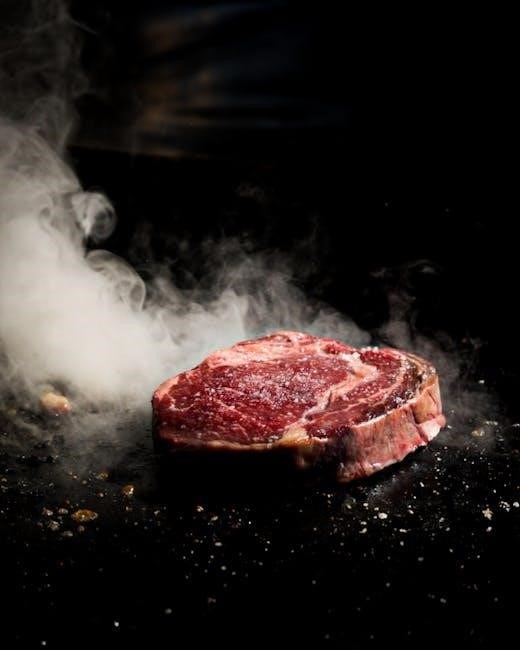
While the core of the menu centers around naturally gluten-free items like steaks (prepared without coatings or marinades containing gluten), the supplement clarifies modifications for sides and appetizers. Guests are strongly encouraged to inform their server of any dietary restrictions.

Furthermore, Ruth’s Chris emphasizes the importance of direct communication; they advise guests to speak with a manager or chef to discuss specific allergy concerns or customization requests. This proactive approach ensures a safe and enjoyable dining experience for all patrons, demonstrating a commitment to inclusivity and attentive service;

Accessing the Ruth’s Chris Steak House Menu PDF

Ruth’s Chris menu PDFs are easily found on the official website and various third-party sources, with potential location-specific variations like Aruba.

Official Website Menu Download

Ruth’s Chris Steak House consistently provides the most up-to-date menu information directly through its official website. Navigating to the “Menus” section typically allows visitors to download the current dinner menu as a PDF document. This ensures access to the most accurate pricing, seasonal offerings, and any recent menu adjustments;

The website often categorizes menus by location, enabling diners to view the specific offerings available at their preferred restaurant. Downloading the PDF allows for offline viewing and convenient planning. Furthermore, the official PDF often includes supplemental information, such as a dedicated gluten-free menu item supplement, detailing available options for guests with dietary restrictions.

Regularly checking the official website is recommended, as menus are subject to change. The PDF format preserves the menu’s layout and design, mirroring the in-restaurant experience. It’s a reliable source for comprehensive and current menu details.

Third-Party Menu PDF Sources

While the official Ruth’s Chris Steak House website is the primary source, several third-party platforms also host PDF versions of their menus. These include online menu aggregators and restaurant listing websites. However, it’s crucial to exercise caution when utilizing these sources, as the information may not always be current or entirely accurate.
These PDF menus often represent older versions, potentially displaying outdated pricing or discontinued items. Discrepancies can occur due to delays in updates across various platforms. Despite this, they can serve as a useful reference point for general menu overviews and item descriptions.

Always cross-reference information found on third-party sites with the official website to confirm accuracy, especially regarding pricing and availability. Utilizing multiple sources can provide a broader understanding, but the official PDF remains the most reliable resource for planning your dining experience.

Menu Variations by Location (Aruba Marriott Example)

Ruth’s Chris Steak House menus, while maintaining a core consistency, often exhibit variations based on location, reflecting local preferences and ingredient availability. The Aruba Marriott Resort & Stellaris Casino location serves as a prime example of this phenomenon. While the signature USDA Prime steaks and classic sides remain staples, localized additions or modifications may be present.

These variations can include regionally-inspired appetizers, seafood specialties utilizing locally-sourced ingredients, or unique dessert offerings. The PDF menu for the Aruba Marriott location might showcase these differences, highlighting items not found in other establishments.

Therefore, when accessing a menu PDF, it’s essential to verify the specific restaurant location to ensure the information accurately reflects the offerings at that particular site. Checking the official website for the specific location is the best practice.
Nutritional Information & Dietary Considerations

Ruth’s Chris provides nutritional details, noting 2,000 calories is a general guideline; individual needs vary.
Allergy information is available, and guests are encouraged to consult with a manager or chef regarding dietary concerns.

Calorie Counts & General Nutrition Advice (2,000 Calories/Day)

Ruth’s Chris Steak House acknowledges the importance of informed dining, providing nutritional information to assist guests in making suitable choices. While the menu PDF doesn’t typically list exhaustive calorie counts for every item, the restaurant utilizes a general guideline of 2,000 calories per day for nutritional advice.

It’s crucial to understand that individual caloric needs fluctuate based on factors like age, activity level, metabolism, and overall health. The 2,000-calorie benchmark serves as a broad reference point, not a strict prescription. Guests seeking precise nutritional details for specific menu items are strongly encouraged to request this information directly from their server, a manager, or the chef.

Additional nutritional breakdowns, including fat, protein, carbohydrate, and sodium content, are often available upon request. Ruth’s Chris aims to accommodate dietary awareness and empower diners to enjoy their experience responsibly.

Allergy Information & Manager/Chef Consultation

Ruth’s Chris Steak House prioritizes the safety and well-being of guests with allergies or dietary restrictions. While the standard menu PDF doesn’t detail every potential allergen present in each dish, the restaurant emphasizes proactive communication. Guests with allergies – whether to nuts, shellfish, gluten, dairy, or any other ingredient – are strongly advised to inform their server immediately.

To ensure a safe and enjoyable dining experience, Ruth’s Chris encourages a direct consultation with a manager or the chef. These culinary professionals possess in-depth knowledge of ingredient sourcing, preparation methods, and potential cross-contamination risks. They can provide tailored guidance, suggest suitable menu alternatives, and even accommodate reasonable modifications to existing dishes.

This personalized approach allows Ruth’s Chris to address individual needs effectively and minimize the risk of allergic reactions. Don’t hesitate to ask questions and advocate for your dietary requirements.

Customization Options for Dietary Needs

Ruth’s Chris Steak House, while renowned for its classic preparations, demonstrates flexibility in accommodating various dietary needs. Beyond the dedicated Gluten-Free Menu supplement available in PDF format, the kitchen is often willing to customize dishes to suit individual preferences and restrictions.

Guests can request modifications such as omitting certain ingredients, substituting sides, or adjusting cooking methods. For example, sauces can frequently be served on the side, allowing diners to control the amount consumed. The chefs are generally receptive to preparing dishes “plain” – without marinades or seasonings – to cater to sensitivities.

However, it’s crucial to remember that customization options may vary depending on the specific location and the complexity of the request. A direct conversation with a manager or chef is always recommended to discuss possibilities and ensure a satisfying meal.


code de plomberie du québec pdf

Understanding the Québec Plumbing Code (PDF)

The Québec Plumbing Code, Chapter III of the Construction Code, integrates the National Plumbing Code of Canada 2020 (modified)․ Developed by the RBQ and NRC, it sets technical requirements for all plumbing installations in buildings and public facilities across Québec, ensuring compliance and safety․

Official Titles and Publication Numbers

The official designation for Québec’s comprehensive plumbing regulations is the “Code de construction du Québec, Chapitre III — Plomberie, et Code national de la plomberie — Canada 2020 (modifié)․” This translates to the “Québec Construction Code, Chapter III ⎻ Plumbing, and National Plumbing Code ⎻ Canada 2020 (modified)․” This critical document, published by the National Research Council of Canada (NRC) in collaboration with the Régie du bâtiment du Québec (RBQ), serves as the definitive reference for all plumbing-related construction work within the province․ Its specific publication number, identifying this crucial edition, is NRCC-CONST-56704F․ This unique identifier ensures accurate referencing and access to the precise regulatory text․

Previous versions of the code have also played a significant role in the province’s regulatory history․ Prior editions include the “Code de construction du Québec, Chapitre III ⎻ Plomberie, et Code national de la plomberie — Canada 2015 (modifié),” also available through the NRC․ An even earlier iteration, the “Code de construction du Québec, chapitre III : plomberie, et code national de la plomberie — Canada 2005 (modifié),” highlights the evolution of these standards․ Historical legislative instruments, such as “Décret 567-98,” from the Gazette officielle du Québec on May 6th, 1998, also underscore the ongoing refinement of Québec’s plumbing regulatory framework․ These titles and numbers are essential for legal compliance and historical context․

Collaborating Authorities: RBQ and NRC

The development and presentation of the Québec Construction Code, Chapter III – Plumbing, and the modified National Plumbing Code of Canada 2020, is a direct result of a crucial collaboration between two key Canadian entities: the Régie du bâtiment du Québec (RBQ) and the National Research Council of Canada (NRC)․

The National Research Council of Canada plays a pivotal role in creating and maintaining Canada’s national model codes, including the National Plumbing Code․ Their expertise ensures that the foundational technical requirements are robust, scientifically sound, and contribute to uniform standards across the country․ The NRC provides the framework upon which provincial codes are built, offering publications and archives that are essential resources․

Complementing this, the Régie du bâtiment du Québec (RBQ) is the provincial authority responsible for the regulation of construction and building safety in Québec․ The RBQ actively works with the NRC to adapt the national model code to the specific needs and context of Québec, incorporating province-specific amendments․ Together, they present this comprehensive document, making it an indispensable tool for plumbing professionals, manufacturers, distributors, and regulatory bodies within Québec․ This joint effort ensures the code reflects both national best practices and unique provincial requirements, highlighting a coordinated approach to public safety and construction standards․

Latest Version and Compliance Mandate

The current and most pertinent edition is the Québec Construction Code, Chapter III – Plumbing, which incorporates the National Plumbing Code of Canada 2020, as specifically modified and adopted by Québec․ This comprehensive document represents the latest set of technical requirements governing all plumbing installations within the province․ It is crucial for professionals and the public to be aware that this updated code officially supersedes the previous version, which had been in effect since March 2021․

A significant compliance mandate accompanies this new edition: any new plumbing installation undertaken from January 11, 2025, onwards, must strictly adhere to its updated requirements․ This firm deadline underscores the importance of familiarization with the new provisions for all stakeholders in the construction and plumbing sectors․ The document, published in collaboration by the Régie du bâtiment du Québec and the National Research Council of Canada, is designed to be user-friendly, providing clarity on the specific modifications adopted by Québec․ It ensures that all plumbing work in buildings and public facilities across the province meets the highest safety and performance standards, thereby safeguarding public health and structural integrity through mandated adherence to its latest stipulations․

Accessing the Québec Plumbing Code PDF

The Québec Plumbing Code PDF is available as a free digital download from the National Research Council of Canada (NRC) archives․ Printed versions can also be purchased directly from the NRC․ Support contact details are provided․

Availability of Free Digital Downloads

The Québec Construction Code, Chapter III – Plumbing, encompassing the modified National Plumbing Code of Canada 2020, is freely available for digital download․ This vital regulatory document, indispensable for all plumbing professionals and construction project stakeholders throughout Québec, can be accessed without charge․ The official website of the National Research Council of Canada (NRC) serves as the primary repository for these complimentary electronic versions․ Users can readily navigate to the NRC’s extensive Publications Archives, which hosts a comprehensive online collection of Canada Codes publications․ This strategic initiative ensures widespread access to the most current plumbing standards and the specific amendments adopted by Québec, thereby promoting compliance and informed industry practices․ Earlier editions, such as the Code de construction du Québec, Chapitre III ⎻ Plomberie, et Code national de la plomberie ⎻ Canada 2015 (modifié), are similarly offered digitally and without any fee․ The provision of these codes in a convenient, downloadable PDF format significantly enhances usability, enabling professionals to effortlessly consult the technical requirements on various devices․ This supports efficient project execution and steadfast adherence to all mandated provisions, reflecting a strong commitment to broad dissemination of crucial safety guidelines․

National Research Council of Canada Archives

The National Research Council of Canada (NRC) maintains a comprehensive digital repository, known as the NRC Publications Archives, which serves as a crucial resource for accessing Canadian building and plumbing codes․ Within these archives, the Québec Construction Code, Chapter III – Plumbing, along with the modified National Plumbing Code of Canada 2020, is made directly accessible in free electronic format․ This dedicated online collection of Canada Codes publications within the archives ensures that professionals, academics, and the general public can easily retrieve the official regulatory texts․ The NRC’s commitment to disseminating these vital documents in a user-friendly manner facilitates adherence to the latest standards and amendments adopted by Québec․ By hosting these publications, including previous versions like the 2015 modified code, the NRC plays a pivotal role in supporting the plumbing industry with up-to-date and authoritative information․ This digital accessibility streamlines the process of obtaining code documents, eliminating barriers to compliance and fostering a well-informed professional environment․ The archives are a testament to the collaborative efforts between the NRC and the Régie du bâtiment du Québec in standardizing and widely sharing critical construction and plumbing guidelines․

Options for Obtaining Printed Copies

While digital access to the Québec Plumbing Code (PDF) is widely available and free, many professionals still prefer physical copies for ease of reference on-site or in an office setting․ For those seeking printed versions of the Québec Construction Code, Chapter III – Plumbing, and the modified National Plumbing Code of Canada 2020, several convenient options are provided by the National Research Council of Canada (NRC)․ The primary method for acquiring a hard copy is through the NRC’s Virtual Store, an online platform where these essential publications are available for purchase․ This online store offers a straightforward process for ordering and receiving the latest printed editions directly․ Alternatively, for those who prefer traditional ordering methods, the NRC also makes an official order form available in PDF format․ This form, which is 167 KB in size, can be downloaded, filled out, and then submitted to the Canada Codes Publications Sales Service․ Submissions can be made via multiple channels, including fax, email, or regular postal mail, offering flexibility to suit different preferences․ These avenues ensure that all stakeholders, from plumbing professionals to regulatory bodies, can obtain the necessary printed documentation to facilitate their work and ensure compliance with Québec’s plumbing standards․

Contact Information for Sales and Technical Support

For comprehensive assistance and dedicated support regarding the Québec Plumbing Code, including inquiries about licenses, sales, and technical matters, the National Research Council of Canada (NRC) serves as the primary point of contact․ Their specialized Codes Canada team is readily available to address a wide array of questions, ensuring that professionals, manufacturers, distributors, and regulatory bodies receive precise and timely guidance․ Whether you have specific technical queries about code provisions, require clarification on licensing requirements, or need to discuss sales and ordering processes for publications, the NRC team is equipped to help․

To reach the sales and technical support team, you can utilize the following contact details:

  • Email: CONSTPubSales-Ventesnrc-cnrc․gc․ca

For direct telephone communication, two numbers are provided:

  • Toll-free (within Canada): 1-800-672-7990
  • Local or International: 1-613-993-2463

Their operating hours are structured to accommodate inquiries during the workweek:

  • Operating Hours: Monday to Friday, from 8:30 a․m․ to 4:30 p․m․ Eastern Time․

This contact information is also vital for those requiring accessible copies of the code or seeking further details on other adaptation measures․ The NRC’s commitment ensures that all users of the Québec Plumbing Code have access to robust support, facilitating accurate understanding and consistent application of its requirements․

Scope and Technical Requirements Overview

The Québec Plumbing Code details technical requirements for all plumbing work, covering installations in buildings and public facilities․ It addresses structural movement, fluid mechanics, specific practices for drain pipes and sumps, and incorporates Québec’s adopted amendments to the National Code․

General Application for Plumbing Work in Québec

The Québec Plumbing Code, Chapter III of the Construction Code, sets forth the comprehensive technical requirements applicable to all plumbing installations throughout Québec․ This essential document governs construction work concerning plumbing systems within both private buildings and equipment intended for public use across the province․ Its broad general application ensures a consistent standard for safety and functionality in every new plumbing project and significant renovation undertaken․

A crucial element of these general provisions is the compliance mandate for the latest version․ This new edition, replacing the one in force since March 2021, dictates that any new plumbing installation completed from January 11, 2025, must strictly adhere to its updated requirements․ This ensures that all future work meets the most current regulatory benchmarks for public health, safety, and system performance․ Adherence to these overarching guidelines is paramount for obtaining necessary permits and ensuring the legality and quality of all plumbing endeavors within Québec’s jurisdiction․

Provisions for Structural Movement in Installations

A critical aspect addressed by the Québec Plumbing Code involves the design and installation of plumbing systems to accommodate structural movement within buildings․ The code explicitly mandates that plumbing installations in structures subject to Chapter I of the Construction Code, and to which Part 4 of Division B of the National Building Code applies, must be engineered and implemented to withstand the maximum relative movement anticipated during the building’s construction phase․ This vital provision acknowledges that buildings are not static entities and can experience various forms of subtle shifts or settling over time․

The requirement ensures that pipes, fittings, and other plumbing components possess sufficient flexibility and resilience to adapt to these expected structural dynamics without compromising their integrity or functionality․ By explicitly designing for such movements, the code prevents potential stress, cracks, or leaks that could arise from rigid installations in a moving structure․ This foresight is crucial for the long-term durability and safety of plumbing systems, safeguarding against premature failures and costly repairs, thereby upholding the overall quality and compliance of construction in Québec․

Fluid Mechanics and System Performance Guidelines

The Québec Plumbing Code delves deeply into the essential principles of fluid mechanics, establishing comprehensive guidelines for the optimal performance and safety of all plumbing installations․ It meticulously addresses critical concepts such as pressure, pressure losses (pertes de charge), and flow rates, which are fundamental to the efficient and reliable operation of water supply and drainage systems․ These provisions are crucial for designing installations that ensure adequate water pressure at every fixture, while simultaneously minimizing energy consumption and mitigating potential problems like water hammer or insufficient drainage․

The code’s technical requirements dictate how plumbing components, including pipes, valves, and fittings, must be correctly sized, selected, and configured․ This ensures effective management of fluid dynamics, controlling friction losses, and maintaining consistent pressures throughout the entire network․ By integrating these robust fluid mechanics guidelines, the code aims to guarantee that both potable water delivery and wastewater evacuation systems function reliably and hygienically․ These detailed performance standards are indispensable for plumbing professionals, manufacturers, and regulatory bodies in Québec, ensuring installations consistently meet high benchmarks for public health, safety, and comfort in all buildings and public facilities․

Specific Plumbing Practices and Components Covered

The Québec Plumbing Code meticulously details specific practices and components to ensure the integrity and functionality of plumbing systems․ It outlines good practices for the installation and configuration of crucial elements such as trap arms and drain pipes, ensuring proper waste removal and preventing gas infiltration․ Furthermore, the code establishes precise requirements for sumps and retention pits, including their definitions and operational guidelines, which are vital for managing wastewater and preventing flooding in various building types․

Beyond drainage, the code addresses critical safety components, providing clear directives on the proper installation of the discharge pipe for a storage water heater’s relief valve․ This is essential for preventing hazardous pressure build-up and ensuring safe operation․ The document also covers comprehensive aspects of piping, including guidelines for the preventive replacement or rejuvenation of existing pipes made from materials like copper and cast iron, as well as standards for new piping installations and leak repairs․ These detailed provisions collectively ensure that all plumbing work in Québec adheres to high standards of safety, efficiency, and public health;

Québec’s Adopted Amendments to the National Code

Québec has officially adopted specific amendments to the National Plumbing Code of Canada 2020, integrating them into Chapter III, Plumbing, of the Québec Construction Code․ This comprehensive document, a collaborative effort by the Régie du bâtiment du Québec (RBQ) and the National Research Council of Canada (NRC), clearly delineates these provincial modifications within the modified version of the national standard․ These adopted amendments are crucial for tailoring the general provisions of the National Code to the specific needs and regulatory framework of Québec․

The latest edition, incorporating these changes, replaces the previous version that was in effect since March 2021․ Critically, all new plumbing installations carried out from January 11, 2025, must conform to these updated requirements․ The modifications ensure that the technical provisions applicable to plumbing installations in buildings and public facilities across Québec are current and locally relevant․ This integrated code serves as an indispensable tool for plumbing professionals, manufacturers, distributors, and regulatory authorities, ensuring consistent application and compliance with Québec’s unique regulatory landscape․

Legal Framework and Historical Editions

The legal framework for Québec plumbing originates from the Construction Code, Chapter III․ Decree 567-98, dated April 22, 1998, concerning the Act respecting plumbing installations (L․R․Q․, c․ I-12․1), is pivotal; Published May 6 in the Official Gazette, it set foundational regulations despite formal anomalies upon release․

The Code evolved through numerous editions, reflecting industry advancements․ Past versions include Code de construction du Québec, chapitre III — Plomberie, et Code national de la plomberie, Canada 2005 (modifié) and Code de construction du Québec, Chapitre III — Plomberie, et Code national de la plomberie ⎻ Canada 2015 (modifié)․ Both published by the National Research Council of Canada, served as essential references․ These editions highlight continuous effort to refine provincial plumbing requirements for safety and best practices․

The current code replaced its predecessor, effective March 2021․ It mandates new plumbing installations completed from January 11, 2025, must strictly comply with its updated provisions․ This ensures modern, safe, and efficient plumbing practices apply across Québec․

motor guide trolling motor mounts

Trolling motor mounts are vital connections, offering stability and adjustability for optimal performance on the water. Selecting the correct mount prevents vibration and potential failures.

What is a Trolling Motor Mount?

A trolling motor mount is the crucial component linking your electric motor to your boat. It’s designed to securely hold the motor in place while allowing for adjustments in direction and depth. These mounts come in various designs – bow, transom, and engine mounts – each catering to different boat types and fishing styles. A properly installed mount ensures stable operation, enhancing control and overall fishing efficiency.

Why a Proper Mount is Crucial

Utilizing the correct trolling motor mount is paramount for a successful fishing experience. An inadequate mount can lead to excessive vibration, impacting performance and potentially causing equipment damage. Stability is key; a secure mount provides precise boat control, essential for accurate casting and maneuvering. Choosing wisely avoids costly repairs and maximizes time on the water.

Types of Trolling Motor Mounts

Trolling motor mounts generally fall into three categories: bow, transom, and engine mounts, each offering unique advantages based on boat size and fishing style.

Bow Mounts: Advantages and Applications

Bow mounts are exceptionally popular among dedicated anglers utilizing medium to large boats, providing superior control compared to other mounting options. This placement allows for precise maneuvering and focused casting. They excel in situations demanding pinpoint accuracy and extended trolling sessions.
Bow mounts are ideal for covering substantial water areas efficiently, offering a stable platform for presenting lures and baits effectively. Their design facilitates hands-free operation, enhancing the overall fishing experience.

Transom Mounts: Simplicity and Cost-Effectiveness

Transom mounts offer a straightforward installation process and represent a budget-friendly option for many boaters. These mounts attach directly to the transom, simplifying setup and minimizing complexity. While they may not provide the same level of control as bow mounts, they are perfectly suitable for smaller boats and casual fishing.

Engine Mounts: Direct Attachment to Outboard Motors

Engine mounts provide a direct and secure attachment point for trolling motors, utilizing the outboard motor’s cavitation plate. This configuration is ideal for boats where a transom or bow mount isn’t practical. They offer a streamlined setup, minimizing clutter and maximizing space, though maneuverability might be slightly reduced compared to bow-mounted systems.

Factors to Consider When Choosing a Mount

Boat size, motor thrust, and fishing style are key considerations when selecting a trolling motor mount for optimal performance and control on the water.

Boat Size and Type

Selecting the right mount hinges on your boat’s dimensions and hull design. Larger boats generally require robust, reinforced mounts to handle heavier motors and increased stress. Conversely, smaller vessels benefit from lighter, more streamlined options. Consider whether you have a bass boat, pontoon, or aluminum fishing boat, as each demands a specific mounting solution for optimal stability and performance. Proper fit ensures safe and efficient trolling.

Trolling Motor Thrust and Weight

Matching the mount’s capacity to your trolling motor’s thrust and weight is crucial. Higher thrust motors, often found on larger boats, necessitate stronger mounts capable of withstanding significant force. Overloading a mount can lead to instability and potential failure. Conversely, an excessively heavy-duty mount for a lightweight motor adds unnecessary weight and cost. Careful consideration ensures optimal performance and longevity.

Fishing Style and Technique

Your preferred fishing methods heavily influence mount selection. Anglers employing precise positioning techniques, like spot-locking for bass fishing, benefit from robust, stable bow mounts. Those prioritizing simplicity for casual trolling may find a transom mount sufficient. Consider how you’ll utilize the motor; a mount supporting varied techniques offers greater versatility.

Materials Used in Trolling Motor Mounts

Trolling motor mounts commonly utilize aluminum, stainless steel, or composite materials, each balancing weight, corrosion resistance, and strength for long-lasting performance.

Aluminum Mounts: Lightweight and Corrosion-Resistant

Aluminum mounts are a popular choice due to their excellent strength-to-weight ratio, making them easier to handle and install, especially on larger boats. They naturally resist corrosion from freshwater and saltwater environments, extending the mount’s lifespan. While incredibly durable, aluminum can be susceptible to damage from significant impacts, but generally provides a cost-effective and reliable solution for most anglers seeking a balance between performance and affordability.

Stainless Steel Mounts: Durability and Strength

Stainless steel mounts represent the pinnacle of durability and strength, ideal for demanding conditions and larger trolling motors. They offer exceptional resistance to corrosion, even in harsh saltwater environments, ensuring a long service life. While heavier and more expensive than aluminum, the added robustness justifies the investment for serious anglers prioritizing unwavering reliability and longevity on the water.

Composite Mounts: Balancing Weight and Cost

Composite mounts strike a balance between weight, cost, and corrosion resistance, utilizing materials like reinforced polymers. They are lighter than stainless steel but stronger than many aluminum alloys, offering a good compromise for various boating applications. These mounts provide adequate durability for recreational use while remaining budget-friendly, making them a popular choice.

Installation of Trolling Motor Mounts

Proper installation ensures secure and efficient operation; follow manufacturer guidelines carefully for bow, transom, or engine mounts to avoid performance issues.

Bow Mount Installation Steps

Begin by securely attaching the MotorGuide mounting plate to the bow of your boat, ensuring proper alignment and utilizing appropriate hardware. Next, carefully position the trolling motor onto the mount, connecting all wiring harnesses according to the manufacturer’s instructions. Double-check all bolts and connections for tightness, and test the steering and deployment mechanisms before hitting the water. A stable and correctly installed bow mount significantly enhances control and maneuverability.

Transom Mount Installation Guide

Installing a MotorGuide transom mount involves securely bolting the mounting bracket to the boat’s transom, ensuring it’s level and properly aligned. Connect the trolling motor to the bracket, verifying all hardware is tightened to the manufacturer’s specifications. Route the wiring neatly, protecting it from damage. Finally, test the motor’s functionality and steering before use, confirming a secure and reliable installation for optimal performance.

Engine Mount Installation Procedures

MotorGuide engine mounts attach directly to the outboard motor’s cavitation plate. Securely fasten the mount using appropriate hardware, ensuring a tight and stable connection. Route the wiring carefully, avoiding moving parts and heat sources. Double-check all connections before operation, verifying proper steering and functionality. A secure engine mount maximizes trolling motor efficiency and control.

Adjustability and Features

MotorGuide mounts often include height and tilt adjustments for precise motor positioning. Quick-release options enhance convenience, allowing easy removal for storage or transport.

Height Adjustment Mechanisms

MotorGuide trolling motor mounts frequently feature robust height adjustment systems. These mechanisms allow anglers to precisely position the motor’s propellor at the ideal depth for various fishing scenarios. Adjustability is crucial for navigating different water conditions and avoiding underwater obstructions. Some models utilize a simple lever-lock system, while others employ more sophisticated, screw-based adjustments for finer control and secure locking. Proper height ensures optimal thrust and efficiency.

Tilt and Rotation Features

MotorGuide mounts often incorporate tilt and rotation features, enhancing maneuverability and fishing precision. These allow anglers to quickly adjust the motor’s direction without needing to re-position the entire unit. This is particularly useful when navigating tight spaces or targeting fish holding near structures. Some models offer 360-degree rotation, providing unparalleled control and responsiveness on the water, improving the angling experience.

Quick-Release Mount Options

MotorGuide offers quick-release mount options for enhanced convenience and versatility. These systems allow anglers to swiftly remove the trolling motor for storage, transport, or security. This feature is beneficial for those who frequently switch between boats or need to clear deck space. Quick-release mounts streamline the boating experience, saving valuable time and effort.

Top Trolling Motor Mount Brands

MotorGuide mounts are renowned for their durability and innovative designs, providing anglers with reliable performance and precise control on the water consistently.

Minn Kota Mounts

While focusing on MotorGuide, acknowledging competitors like Minn Kota is crucial. Minn Kota offers a broad range of mounts known for their compatibility and user-friendly features. However, MotorGuide often distinguishes itself with robust construction and advanced deployment systems. Anglers frequently compare the responsiveness and locking mechanisms, finding MotorGuide excels in demanding conditions, providing a secure and stable platform for precise boat control and enhanced fishing experiences.

MotorGuide Mounts

MotorGuide mounts are celebrated for their durability and innovative designs, catering to diverse angling needs. They frequently feature robust locking mechanisms and precise steering control, enhancing maneuverability. Many models boast quick-release functionality for easy motor removal. MotorGuide consistently receives praise for its build quality and ability to withstand harsh marine environments, offering anglers reliable performance and long-lasting value on the water.

Garmin Mounts

While Garmin is renowned for its marine electronics, their trolling motor mounts are increasingly recognized for seamless integration with Garmin’s ecosystem. These mounts often feature compatibility with autopilot systems and advanced GPS functionalities. Expect robust construction and precise control, mirroring Garmin’s commitment to technological innovation. They provide anglers with a sophisticated and connected boating experience.

Troubleshooting Common Issues

Mount vibration, instability, and corrosion are frequent concerns; regular inspection and maintenance are crucial for optimal performance and longevity of your motor setup.

Mount Vibration and Noise

Excessive vibration and noise from your trolling motor mount often indicate a loose connection or improper installation. Carefully inspect all bolts and screws, ensuring they are tightened to the manufacturer’s specifications. Check for any worn bushings or damaged components within the mount itself. Addressing these issues promptly will not only improve performance but also prevent further damage to your motor and boat.

Mount Stability Problems

If your trolling motor mount feels unstable or allows excessive movement, it could stem from several factors. Verify the mount is securely fastened to the boat’s structure, and that the boat itself isn’t flexing excessively. Consider the motor’s weight and thrust; an undersized mount won’t provide adequate support. Inspect for cracks or bends in the mount’s structure;

Corrosion and Maintenance

Saltwater and prolonged sun exposure can cause corrosion on trolling motor mounts, especially those made of aluminum or steel. Regularly rinse the mount with fresh water after each use, and apply a corrosion inhibitor. Inspect for rust or pitting, addressing it promptly. Lubricate moving parts to ensure smooth operation and prevent seizing.

Pontoon Boat Trolling Motor Mounts

Pontoon boat mounts require specific considerations due to their unique hull design, demanding robust and secure attachment for effective trolling.

Specific Considerations for Pontoon Boats

Pontoon boats present unique mounting challenges due to their aluminum frames and multiple pontoons. Standard trolling motor mounts often lack the necessary strength and stability. Specialized pontoon mounts distribute weight evenly, preventing stress fractures; Consider reinforced brackets and through-bolt installations for maximum security. Prioritize corrosion resistance, as pontoons are constantly exposed to water. Ensure ample clearance between the motor and the pontoons themselves for safe operation and maneuverability.

Popular Pontoon Mount Designs

Several pontoon mount designs cater to varying needs. Universal MotorGuide brackets offer adaptability, while dedicated MotorGuide pontoon mounts provide superior strength. Jackplate-style mounts allow for precise depth adjustment. Corner brackets reinforce the motor attachment points. Through-bolting designs maximize stability, distributing weight across the pontoon’s frame. Consider quick-release options for easy motor removal during storage or maintenance, enhancing convenience.

Advanced Mount Technologies

MotorGuide integrates GPS and hydraulic lift systems into mounts, enabling precise positioning and depth control for enhanced fishing efficiency and convenience.

Hydraulic Lift Systems

MotorGuide’s hydraulic lift systems represent a significant advancement in trolling motor mount technology. These systems allow anglers to effortlessly raise and lower their motor with a simple touch, avoiding manual strain and providing quick adjustments for varying water depths and conditions. This feature is particularly useful when navigating shallow waters or encountering obstructions, ensuring the propeller remains protected and operational. The smooth, reliable operation enhances the overall fishing experience, offering unparalleled convenience and control.

GPS-Enabled Mounts

MotorGuide integrates GPS technology into select trolling motor mounts, offering features like anchor mode and track recording. These systems utilize GPS to maintain a precise boat position, eliminating the need for manual anchoring in specific fishing spots. Track recording allows anglers to retrace successful routes, maximizing their time on the water and improving their catch rates. This smart technology enhances efficiency and precision.

Mount Compatibility

MotorGuide offers universal mounts and adapters, ensuring compatibility with various boat types and trolling motor models for secure installation.

Ensuring Compatibility with Your Motor

MotorGuide prioritizes seamless integration; carefully check your trolling motor’s shaft diameter and bolt pattern before purchasing a mount. Utilizing the correct adapter plate is crucial if your motor doesn’t directly align with the mount’s specifications. Confirming these details prevents instability and ensures optimal performance, maximizing control and minimizing potential damage to both the motor and the mount itself.

Adapters and Universal Mounts

MotorGuide offers a range of adapters to bridge compatibility gaps between various motors and mounts. Universal mounts provide broader fitment, but verifying load capacity is essential. These adapters ensure secure attachment, preventing wobble or slippage during operation. Prioritize quality adapters designed specifically for trolling motors to maintain performance and safety on the water.

Cost and Budget Considerations

MotorGuide mounts range from affordable entry-level options to premium, high-end models, impacting overall cost. Consider features and durability when budgeting.

Entry-Level Mounts

MotorGuide’s entry-level trolling motor mounts typically focus on simplicity and cost-effectiveness, ideal for smaller boats or casual anglers. These mounts generally feature basic adjustability and are constructed from durable, yet lighter-weight materials. While they may not offer the advanced features of higher-end options, they provide a reliable and functional solution for basic trolling needs, representing excellent value for budget-conscious boaters seeking a dependable mount.

Mid-Range Mounts

MotorGuide’s mid-range trolling motor mounts strike a balance between affordability and enhanced functionality. These mounts often incorporate more robust construction, improved adjustability features, and potentially some quick-release capabilities. They cater to anglers who demand greater precision and durability for frequent use, offering a step up in performance without the premium price tag of high-end models, providing a solid investment for dedicated fishermen.

High-End Mounts

MotorGuide’s high-end trolling motor mounts represent the pinnacle of engineering, featuring advanced materials and innovative designs. Expect fully adjustable systems, often with hydraulic lift and precise steering control. These mounts prioritize ultimate durability, minimal vibration, and seamless integration with sophisticated trolling motors, catering to professional anglers and those seeking unparalleled performance and convenience on the water.

Maintenance and Care

Regular MotorGuide mount cleaning and lubrication are crucial for longevity. Inspect frequently for wear, corrosion, and ensure all hardware remains securely tightened for safe operation.

Cleaning and Lubrication

MotorGuide trolling motor mounts benefit greatly from routine cleaning, especially after saltwater exposure. Use mild soap and water to remove salt buildup, grime, and debris. Thoroughly rinse and dry all components. Periodically lubricate moving parts – like pivot points and adjustment mechanisms – with a marine-grade grease to ensure smooth operation and prevent corrosion. This proactive maintenance extends the mount’s lifespan and maintains optimal performance, safeguarding your investment against the elements.

Inspection for Wear and Tear

Regularly inspect your MotorGuide trolling motor mount for signs of wear. Check for cracks, corrosion, or bending in the metal components. Examine the mounting hardware – bolts and screws – ensuring they are tight and free from rust. Inspect any rubber or plastic parts for deterioration. Addressing minor issues promptly prevents larger, more costly repairs and ensures continued safe and reliable operation on the water.

Future Trends in Trolling Motor Mounts

MotorGuide mounts are evolving with smart technology and fish finder integration, promising enhanced control, automated adjustments, and a more connected angling experience.

Smart Mount Technology

MotorGuide is pioneering smart mount technology, integrating GPS and automated features for unparalleled control. These mounts learn your fishing patterns, automatically adjusting position and depth. They offer features like anchor mode, route recording, and seamless integration with MotorGuide’s Xi5 trolling motors. Expect intuitive interfaces and remote control via smartphone apps, revolutionizing the angling experience with precision and convenience.

Integration with Fish Finders

MotorGuide excels in seamless integration with leading fish finders like Humminbird and Lowrance. This connectivity allows anglers to share data – including location, depth, and speed – directly between the trolling motor and the fish finder. This creates a unified display, enhancing situational awareness and maximizing fishing efficiency for a more productive day on the water.